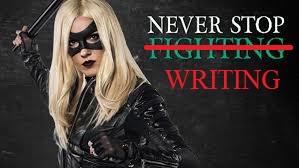
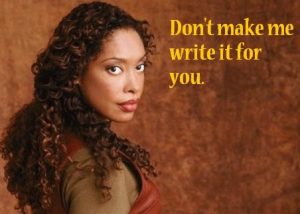
I’ve made some memes to encourage writing for the upcoming CampNaNo.
![Serenity (Joss Whedon, 2005) starring Nathan Fillion, Gina Torres, Alan Tudyk, Morena Baccarin, Adam Baldwin, Jewel Staite, Sean Maher, Summer Glau and Ron Glass Serenity is the continuation of Firefly TV series [dvdbash]](https://10094e2.wcomhost.com/erinpenn/wp-content/uploads/2016/06/Firefly-YouShould-300x157.jpg)
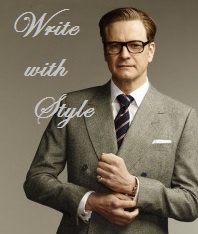
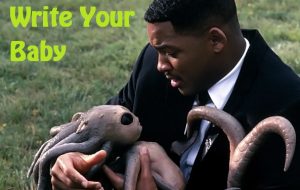
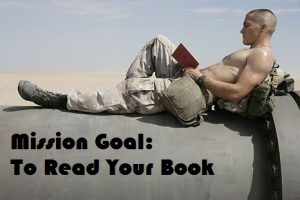
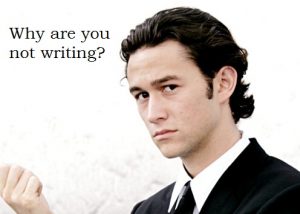
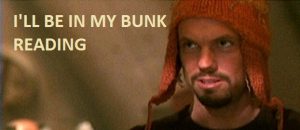
I’ve made some memes to encourage writing for the upcoming CampNaNo.
A little departure from my standard pointing to other writing blogs where good writing/editing/publishing advice is provided, I thought I would touch base on a video-blog I love. Because to write good science fiction, one needs to know about science fact.
A Capella Science was started by a Canadian physics student, Tim Blais, while he was earning his masters, a mash-up of his love of music and physics to blow off steam between research projects. The A Capella Science channel became an unexpected hit after the release of Bohemian Gravity. Like 3 million crazy – who knew string theory had such a catchy beat?
His following continued to develop with each new release, some of them parodies of popular music set to science themes and some original pieces of his own creation. Whether the musical Wicked parody where Newton and Einstein sing a duet about Defining Gravity through time or the original Nerds: A Manifesto, Mr. Blais hits the science and culture of science out of the park again and again.
I highly recommend subscribing to his youtube channel and if you have a dollar or two to spare become his patreon: here. It is stuff like this that makes science accessible and interesting to teenagers and adults; it encourages people to go into technology and biology. And if you are a teacher of physics, biology, chemistry, or music, see if you can work some of these videos into your lessons.
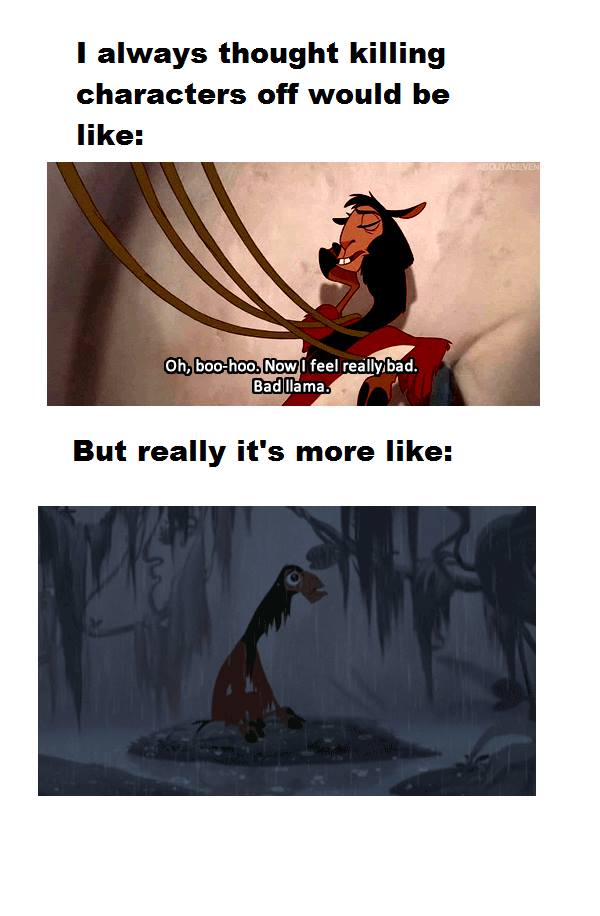
Created by Vincent Gabriel. Copyright 2015. Used with permission.
Facebook: VincentGabrielWriter

Image Courtesy of num_skyman at FreeDigitalPhotos.net
Inciting Events
ConCarolinas starts tomorrow; the convention which was my inciting event to stop thinking about writing and start actually doing it. Going through life you may have several inciting events – times when the phrase “So things continued as they had been until such time as they no longer did” would appear in your autobiography.
Two major events may occur in a story – the inciting event sets to story in motion while the key event draws the character into the story. In many genre fiction stories these two events overlap. In my recent “The Telling of the Myth of Hariti“, the inciting event is when all the villages in all the world no longer could handle the loss of their children. The key event is when the elders approach the Buddha, drawing him into the story. Until he entered the story, no permanent change took place.
To learn more about inciting events, read the May 9, 2016 Magical Post by Faith Hunter: The Inciting Event.
Other good posts on this subject include:
WRITING EXERCISE: For your present work in-progress (WIP), define your inciting event and your key event. Do you have both, are they the same event, and where are they located in your book?
READING EXERCISE: For your present read in-progress, can you figure out where the incident and/or key event in the book occurred? Did you become more or less engaged when the event milestone occurred?

Image courtesy of Praisaeng at FreeDigitalPhotos.net
I see you editing and going nuts. How many times was “throughly…thoroughly” wrong? How could “hte” be missed… ten times? Gird and grid are both real words, who knew? And how many times did the character fire cannons from the brig instead of the bridge. Sigh. Guess it is time for proofreading round number six.
What’s Up with That: Why It’s So Hard to Catch Your Own Typos is a blog posting on Wired from August 2014 written by Nick Stockton which give some insights on proofreading your own work is so hard. (Hint: It is because you are TOO smart.) Click here to read the article.