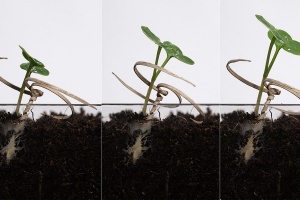
Image from the Carnegie Mellon University
Humans have been sowing seeds for generations; sometimes digging holes with fingers, dropping the seeds in, and burying them in the dirt, and other times following the more traditional method of plants themselves – scattering them in the wind and hoping for the best. One is labor intensive and the other is just a play against statistics, praying to the capacious weather gods that the birds and weather will be on our side.
But what happens when you absolutely must plant things in hard to reach areas, for example, reforesting an area after a fire? Today’s drones answer half the equation with accessibility – flying easily to places that could take hours and remarkable physical danger – but that doesn’t get the seeds planted.
Wouldn’t it be nice if seeds could plant themselves?
Scientists recently stole an idea from seeds and upgraded it. Erodium have a stalk that taps into different moisture reactions to create a screw action for burying its seeds. It works okay – the plant exists in nature after all, but the natural best results depends on uneven soil with crevices because up-and-down for the one tail seed changes with each flip until the bury is successful. Once buried, the one-way directional hairs keeps the seed from popping back out and the stalk continues to wind and bury the seed deeper.
To upgrade the design, engineers at Carnegie Mellon University found that three coiled tails create nearly a 80% success rate. In a world with birds, rain washes, and rocky soil, this is amazing.
The device is made from biodegradable wood. And the carrier area can hold pine and other tree seeds, or crop seed. Plus it can been used to deploy and bury “nematodes (worms used as natural pesticides), fertilizers, and fungi.” (Spice) Other real-world applications outside of farming is reducing landslides by increasing deep-root vegetation and using the corkscrews “to implant sensors for environmental monitoring.” (Spice)
The inventors are still working on how to create and deliver these carriers at scale needed for farming crops and reforestation, but the device itself works great.
Two important questions for any invention – 1) can it be done and 2) how do we make enough for the invention to be useful. We have the “yes” for the first, now we need to Geek the Science on the second.
Bibliography
Nature video. “This device corkscrews itself into the ground like a seed.” YouTube. February 2023. (video imbedded above)
Science Friday. “A New Twist on Sowing Seeds.” 24 February 2023. (https://www.sciencefriday.com/segments/corkscrew-seed-self-planting/ – last viewed 11/10/2023)
Spice, Byron. “Engineered Magic: Wooden Seed Carriers Mimic the Behavior of Self-Burying Seeds.” Carnegie Mellon University. 15 February 2023. (https://news.pantheon.cmu.edu/stories/archives/2023/february/engineered-magic-wooden-seed-carriers-mimic-the-behavior-of-self-burying-seeds – last viewed 11/10/2023)
Theresa, Deena. “This bioinspired seed carrier has a 80 percent success rate.” Interesting Engineering. 15 February 2023. (https://interestingengineering.com/innovation/bioinspired-seed-carrier – last viewed 11/10/2023)
Williams, Mary. “Inspired by nature: Self-burying seeds.” Plant Science Research Weekly. 24 February 2023. (https://plantae.org/inspired-by-nature-self-burying-seeds/#:~:text=Burrowing%20underground%20gives%20the%20seed%20protection%20from%20being,is%20hygromorphism%20%E2%80%93%20movement%20in%20response%20to%20water. – last viewed 11/10/2023)

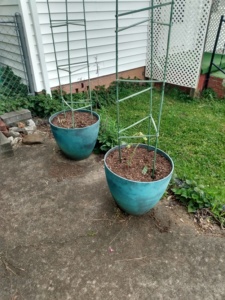 First thing I did was get my containers in order. I bought mint and tomatoes in early April then never had a chance to plant them. Eventually I cleared out the growth from 2022 and 2023 when I ignored the pots, but by then the mint and tomatoes were mostly dead.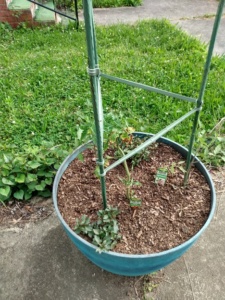


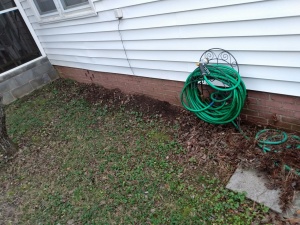
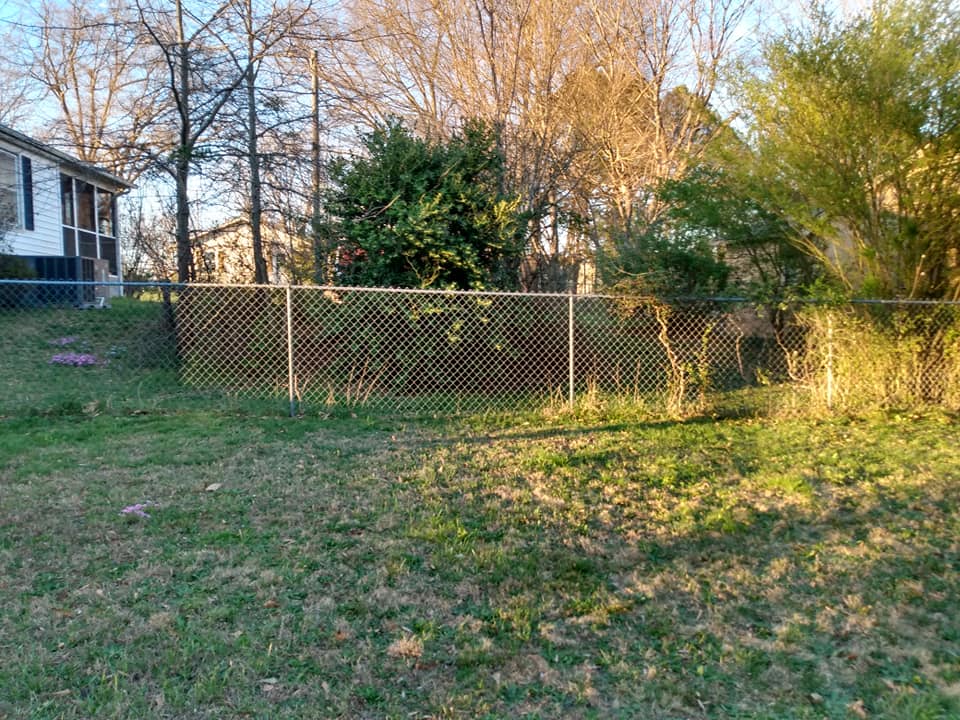
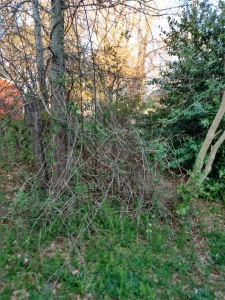 These tree grow fast and are unstable. They need to go, but the vines … so many vines in the jungle, make them hard to get to. In addition, weed trees are hard to kill – they grow nearly as fast as I can cut them back.
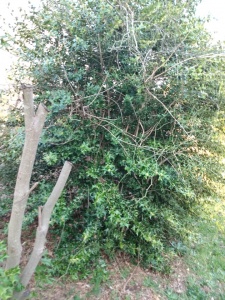 In front of the holly trees are one of the many volunteer mimosas I’m trying to remove. Talk about weed tree volunteers. One is cracking cinder blocks near my foundation in the jungle area.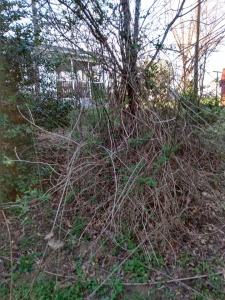
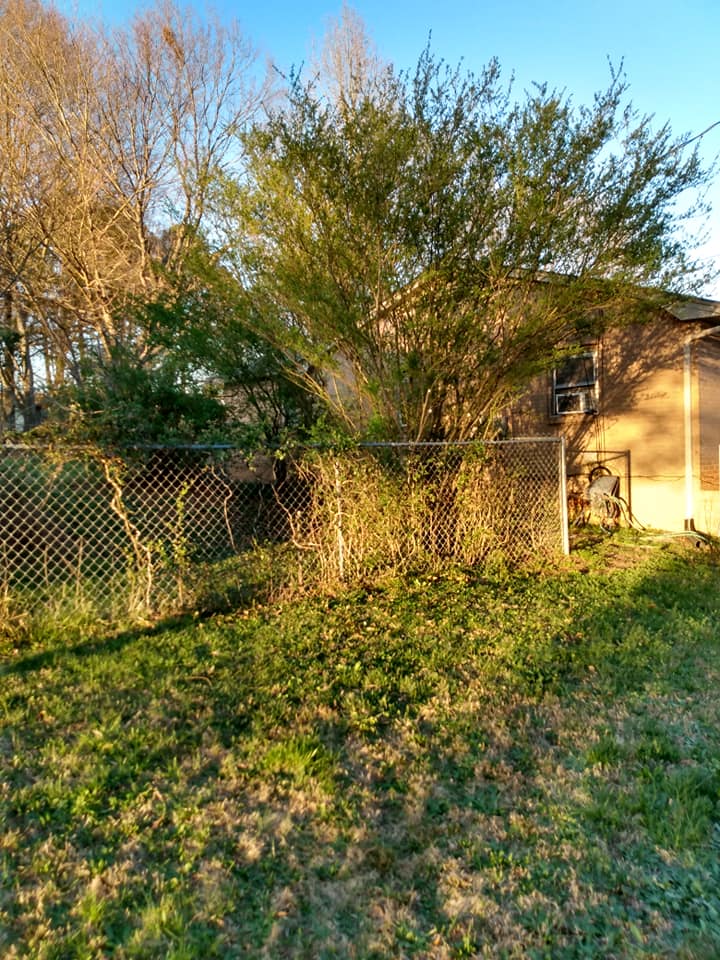
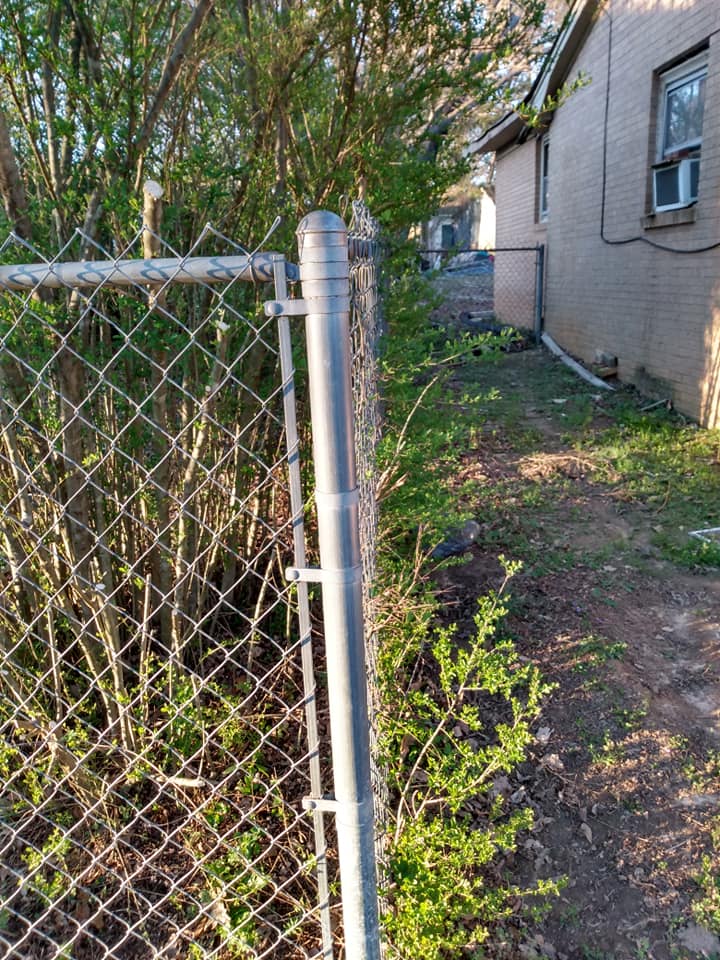
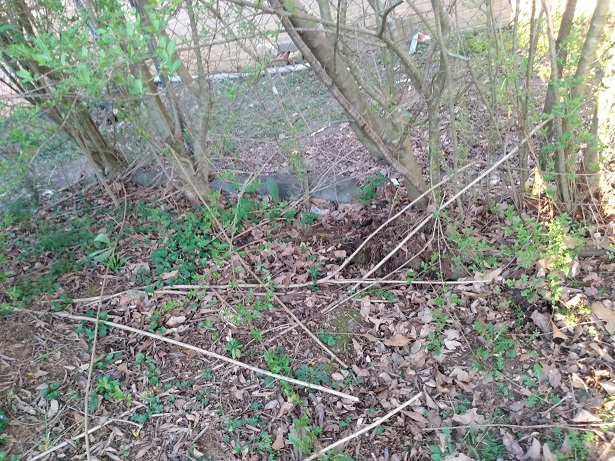
 One of my ongoing goals is removing my jungle and replacing the hill with azaleas, rock walks, and bulbs. Something maintainable, that won’t be trying to take over the world.