I ranted earlier this month about a shifter story where the shifter didn’t shift. Ending tagline was “Don’t do shifting sands. Rock your world foundation.”
Today’s writing exercise explores how different types of paranormals may adjust a scene. Break out of the boringly normal cycle where the generic “paranormal” plays out, where a vampire could be replaced by a mermaid without affecting the plot.
WRITING EXERCISE: Create a short scene with one paranormal character among normals. Any type of paranormal (vampire, witch, gargoyle, brownie, etc) in any type of scene (getting on a bus, checking out at a cashier, ordering a meal, moving to a new school, etc.). Aim for about 500 words.
PART TWO: Now rewrite the scene, but change the paranormal to a different type of paranormal. Vampire for genie, zombie for dwarf, good witch for dark necromancer, demon for shifter.
REVIEW: Once done, review the two scenes. What changes did you need to make for the different types of paranormal. Did the night scene need to become day? Did concentrating of the sounds of living from the hungry zombie become concentrating of the scenes for the shifter nose? Were quick demon tempers switched to fairy flitting and teasing? Add a comment below of what you discovered in Rocking Your World Foundation. If you want, include a link to the two flash scenes you created.
***
My attempt – Review
I started from this month’s flash of Prepping a Meal (1/9/2022) and switched the vampire for a zombie (the flash is below). The biggest changes were related to the social status normally associated with the vampires and zombies. Both of the climate-conscious monsters (because if you live a long time, keeping the human food-stock healthy is important) had electric cars, but the vampire has a Lotus Evija (costing more than $2 million) while the zombie has a used Toyota Prius (costing him much less). While both monsters used cash payments, the vampire splurged for wine, appetizer, and a dessert where the zombie struggled to pay for pizza for the woman he was escorting. Clothing differed with the zombie’s clothes deteriorating and the vampire’s tailored-made.
Another change involved the mystique surrounding the monsters. Vampires have a shiver sexy-terror, while zombies are associated with end-of-the-world depressive gut-terror. The vampire remained polite and cosmopolitan. The zombie threatened some and his conversation was simpler. Mild flirting occurred with one but not the other.
Final change was what was driving the women to be escorted as meals to the monsters, oops, I guess that should read “for meals with the monsters”? Nah. You know what is gonna happen in the next scene of these stories, right? Both women have a history of dead-end jobs, are on the heavier side of weight, and love their pizza. But for the scene to work, I had to change the motivation.
The action-arc of the scene remained the same: arrival, ordering, eating, and leaving to the next location. In neither case did the undead do undead things, but by the end of each flash you know exactly what is about to happen. As these are just quick (about) 500 word flashes, readers can be expected to fill in the genre troupes and does so. (The rant about shiftless-shifters involved a full-length novel, which should be long enough to do all-the-things.)
Could I change out another paranormal monster for the vampire or zombie in the stories? Not without other major twists in the plot and character. The motivation for both the monster and the meal-woman would need to change even more. Could a shifter work here? No. A random monster could not just switch out with either of these men.
Remember “Don’t do shifting sands. Rock your world foundation.”
***
Flash Title: Prepping a Meal (Zombie Version)
“Are you sure?” I ask a final time as the battered electric Prius buzzed into a parking space, waving my hand at the neon lights of the chosen restaurant. “Italian?”
My zombie date. Well, more like warden, smirks. “Your bio said you could eat pizza every day. We thought you might like it for tonight.”
Making my way to the paper-covered door proclaiming the daily specials, I feel Jacob’s dark eyes blackened further as they focus on my ass in my overtight jeans. I forcefully suppress the shiver rolling through my belly and along my spine, refusing to consider if it is fear or anticipation.
I’ve been hoping for years to accomplish what will happen tonight and only recently had the energy to carry through with a workable plan. Thank you Doc Woods for those happy pills, I think toward the northern part of the city where Health and Human Services has its clinics.
“I wasn’t lying.” I say once we were inside the pizzeria, my eyes darting to the other patrons. “This will be great.”
“No talking to others,” he said growled, his eyes roaming from my eyes to my t-shirt, also several sizes too small. I’ve packed on some pounds doing the Netflix and chill thing after work this year, only my version of the chill part being a pint of ice cream most nights huddled in my bedroom behind locked doors with the earphone on.
“Of course.” I wasn’t looking to escape. It took me forever to find this situation, and I didn’t want to lose this opportunity.
A waitress waves us toward a small table with a red and white checkerboard vinyl table. I glance over the paper placemat menu, while Jacob orders me a soda when the waitress returns to drop a bread basket with oils in front of us. She raises an eyebrow at his shoddy appearance but doesn’t say anything. Though he was the youngest of the zombies I met tonight, he still lacks the freshness of the living. He had to have been buried in his best suit like most people, but sometime since then he changed out to a worn t-shirt and jeans. They hung much looser on him than mine did on me.
“Can you stuff a large in that chubby stomach of yours?”
I reach down to pop the top button of my jeans. I’m going to ache, but it’s not like I’m worried about nightmares in my sleep tonight because I climbed into bed stuffed to the gills. “Sure. I didn’t get chubby by dieting.”
“Good, good.” He takes out the bills his group had shoved at him.
I watch him struggle to count them and put them in some sort of order. Jacob’s fine motor control was lacking and I’m fairly sure the poor math skill existed before his change. Exasperated, I grab the paper and get the money in order. I had done it enough in my dead-end jobs all my life.
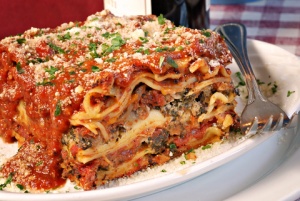
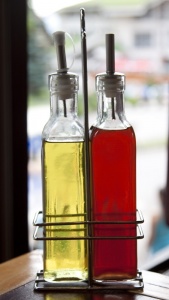
Once my soda arrives, I place my order for a large supreme pizza, plus a dessert. I’m going to go out with chocolate on my lips. And there would still be enough to cover taxes and a decent, but not great tip. He doesn’t argue. In fact, he just sits with the unmoving weirdness of the dead while I sip my soda and break apart the bread sticks. I mix the oil and vinegar just right and savor the warm bread. Closing my eyes, I let the yeasty bread, sour vinegar, and rich oil transport me to somewhere else. Someplace without pain and yelling and loneliness. The food is gone before I reach that place, like always. So close and always so far.
When the pizza, smelling of grease, and melted cheese, and hot pepperoni, and tangy tomato, hits the table, my eyes focused on it and I inhale deeply.
“Does it smell good?”
For a moment, I had forgotten about my escort. I look up to find his eyes gazing at the pizza with longing. Not the bottomless hungry like when he looked at me but a melancholy wistfulness.
“Yes, like a piece of heaven.”
“Tell me about it.”
So I do. From the first napalm bite of too hot cheese, to the last slice cool and congealed. In between we talk. He tells me of his memories, what it is like to be owned by a necromancer, but skirts around why we are here together tonight. Somehow he keeps focused on me-me, instead of body-me, and that is nice.
As suicides go, I think this one is a keeper.
Eventually the only thing left is a few chocolate crumbs from my brownie and the full refill on my drink.
“Are you ready?” he holds up a small cloth packet as I stack the money on the receipt.
I nod, pushing the red plastic glass at him. He dumps the potion in and I stir it a couple times before sucking it down quickly. Doesn’t taste bad. Actually the more I drink, the more I want to drink.
By the time I’m done chugging, I have a head rush. I let Jacob help me stagger out of the restaurant and back to the car. Last chance to run, I think as I collapse on the passenger side smiling. No need to run ever again.
(words 881, first published 1/25/22)
Series – No Regrets, All Dead
- Prepping a Meal (Zombie Version) – Link to 1/25/2022
- You Have Mail – Link to 2/6/2022
- Naked Truth – Link to 2/20/2022