82946022 © creativecommonsstockphotos | Dreamstime.com
Product vs. Project
Two major processing methods exist to produce stuff, and the concepts hold equally as well for physical/manufacturing (industrial) as for ethereal/information (technology).
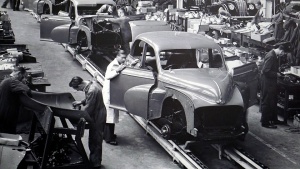
Product provides mass production the ability to have individuals (or machines) to specialize; the object being produced is moved through the line. At the beginning of the line is all the dissembled items and at the end of the line is the finished delivery product. Production Line never ends, several items are always in process at varying stages. Fixing and streamlining a production line tends to be easy because the same thing is being done all the time; you can see where the holdups and bottlenecks of the process are and management can adjust them until the “slowest” part of the line becomes a different part. Each slowest part gets fixed in turn, until everything is as efficient as possible under the present technology and needs of the production line. The downside is production never ends. Each day is more of the same.
Most chores within a home are products. Making meals three times a day goes from groceries restocking through dishes dried and put away. Sweep, mop, and dust once a week. Mow, weed, and pick up branches. Never-ending tasks, but needed for survival. Just like heartbeats and breathing. A school year is another product task line – the student body moves from kindergarten through senior year.
Projects, on the other hand, are one-off tasks. Once done, they are done. But making them more efficient is nigh impossible, because the bottleneck on one project might not be the bottleneck holding up finishing the project on another. In information technology, most items being produced are projects.
We are about to go into the “project” time of year for homes. Thanksgiving dinner requires a different group of materials than usually is in the house; Christmas presents need to be bought; Halloween costumes need to be decided on. While we may be using last year’s blueprint as a guide, the costumes and presents must be new, and the T-day dinner is nothing like normal food production and throws the normal meal production line into turmoil for about a week. Within school, there might be special projects to break things up for the teachers and students.
Where does writing fall into this? Well, BIC (butt-in-chair) every day would be product line, as is draft to second draft to cleanup to beta reading to editor to publisher to book. Writing a series might have one book in draft stage while another is with the editor and one about to come out and marketing is needing done.
But at the same time, every story is different. If genres switch up, mysteries have a very different process from romances in the skill and tools needed.
Diana Pharaoh Frances wrote about dealing with the Production vs. Project (though used different terms) issues of writing in “The Truth About Writing Books” in Magical Words (3/3/2011):
Most people are either product or project oriented by nature and/or training. By tapping into the mind-set that works best for you, you can harness a business model that best suits your energy production.
WRITING EXERCISE: Create a business model for your product/project nature.
My attempt
I’m a project person. I like thing done. Some personality types like things undecided and are most comfortable with something always flowing. I’m working toward done. I check in my head how long something is taking, look how far I still have to go, and know about how long I have until finish. Like everyone, I always under guess-tamate, but I’m working toward something.
So for my books, I need a project to finish. Unfortunately, right now I’m completely “ooo, shiny” – moving from one idea to the next with my project windows in hours, not weeks. I need to crack down and create a weeks-type project process. And now – with holiday package season kicking off for the post office and tax season around the corner – that isn’t going to happen. Soon though. 2022 will be the year!