
Photo by David Clode on Unsplash
It is National Novel Writing Month. Even with the passing of the official organizing, people remain dedicated to writing fifty thousand words in a month. The idea existed before the website, and it will exist by word-of-mouth and dedicated authors for a long time afterwards. To do the amazing word count creation is to write a Zero Draft. That is no editing, not drafting. A writer just writes flat out over one thousand six hundred words per day. I write about 500 words an hour when I am just pushing words onto paper; with breaks, 1,667 words is nearly four hours.
Next month (December), some writers start thinking about publishing said “books” before their computer’s fan has had a chance to recover from the overuse.
DO NOT SEND THE ZERO DRAFT OUT!!!
A zero draft is word vomit. A necessary step (and congratulations to everyone who is hitting the 16,000 mark today!), but it is still word vomit. A ZERO draft. Do not send this to anyone. PLEASE. (No, I am not having a slush-read flashback writing this blog post. Okay, maybe a little, okay, a lot.)
Once the initial writing is done, authors then need to go through multiple passes to create a manuscript ready to been seen by other people to be critiqued or edited or agented or published. (If you are doing a NaNoWriMo, save this post for later.)
Now don’t do what one author I know did, which is forty to fifty passes over six months. Don’t waste your writing time like this. Keep it three to seven drafts; this keeps the spontaneity while sanding down the roughest edges. FOCUS for each of the passes. Define the drafts and what should be done for each pass.
First draft. Very few books are saleable to fifty thousand words, so the first draft is about expansion. The zero draft was written quickly and the outline (if one was even created) got blown to bits, likely very early on. But momentum keep on and the words got to a finish point.
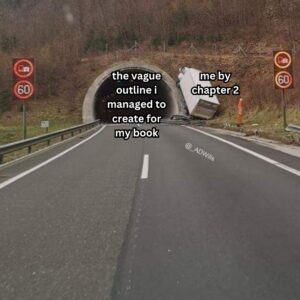
Image from the interwebs
For the first draft, create that outline which was destroyed. Figure the character arc, the plot arc, and whatever else needs to be in the story. If a mystery, see if the clues are dropped regularly, both the red herrings and the real ones. Maybe figure out the elevator pitch so the focus of the book is clear. See if a theme exists. The first pass is pulling apart the story and putting it back together like a developmental editor. If scenes are missing add them. Work on all the places where “xxxInsert kissy scene herexxx” or (xxxI don’t know, but I think something needs to blow up herexxx) and CCCNeedsName. After the First Draft, the story is ready to focused drafts. First draft was outline, add missing scenes, and figure the story arcs. In the process the story has likely grown by 50% and now is seventy-five thousand words, the perfect length for a mystery or science fiction and for a new author’s first sale.
The rest of the passes are up to the writer and their style by various focuses include:
- Verify the character dialog matches the characters developed (age, history, occupation). This pass might also include making sure the actions of characters also match their personality. This is a good pass to create the start of the Story Bible – putting together the character names and descriptions for any editors you might have. Drop in the outline here. Personally, I do dialog separate from character actions because for my writing style, dialog is very important. Each writer needs to figure out what is best for their writing.
- Fill in the “white boxes” of scene description . Good overlap here is make sure there are no naked characters (everyone at least once is described in how they dressed which could be as simple as “modestly” or “their normal”)
- The pacing draft. This might be matching up to a story structure or a beat sheet. Are things happening close to traditional locations? Is there tension rising and failing?
- A proofing draft. Get rid of the red squiggles (spelling) and the blue squiggles (grammar) at the very least. Yes, some things will remain especially in Fantasy stories (spelling of fantasy words) and in dialog (grammar issues, because people ain’t talking straight). I would recommend this pass be done randomly by chapter, maybe by dice rolls or start at the last chapter and work your way back one chapter at the time. The point of this pass isn’t the story, but the words and grammar.
- Then you have the LAST PASS where the story is read start-to-finish, or for me, “the pass where the computer reads my book to me.” This draft needs at least a month after the story has had time to sit and the writer to forget some of the story. For some authors, the wait is three months; for others, it is a single week.
Drafts can have more than one thing happening, as shown with the character pass suggestions with dialog and action and maybe even clothing descriptions. But keep them focused. Laser in to something that will improve the story for each draft. Don’t do “fiddle-bits” passes looking for something to randomly improve; define what is being improved.
“I have written a thriller, and I need to make sure the ticking clock is tight. I will writing out the timeline against my outline, and making sure I dropped ‘time stamps’ within the story and narrowing down the intervals from hours to minutes to seconds as the story progresses.”
Some might think the proofing draft or Last Pass are random improvements, but they aren’t. The draft is clearly defined in purpose.
Don’t do forty to fifty passes. Don’t write your book for four-to-eight years. People want to read your book. WRITE IT.
Good luck in the fifty-thousand-word challenge. And in the taking the zero draft to a ready-for-other-eyes manuscript.